
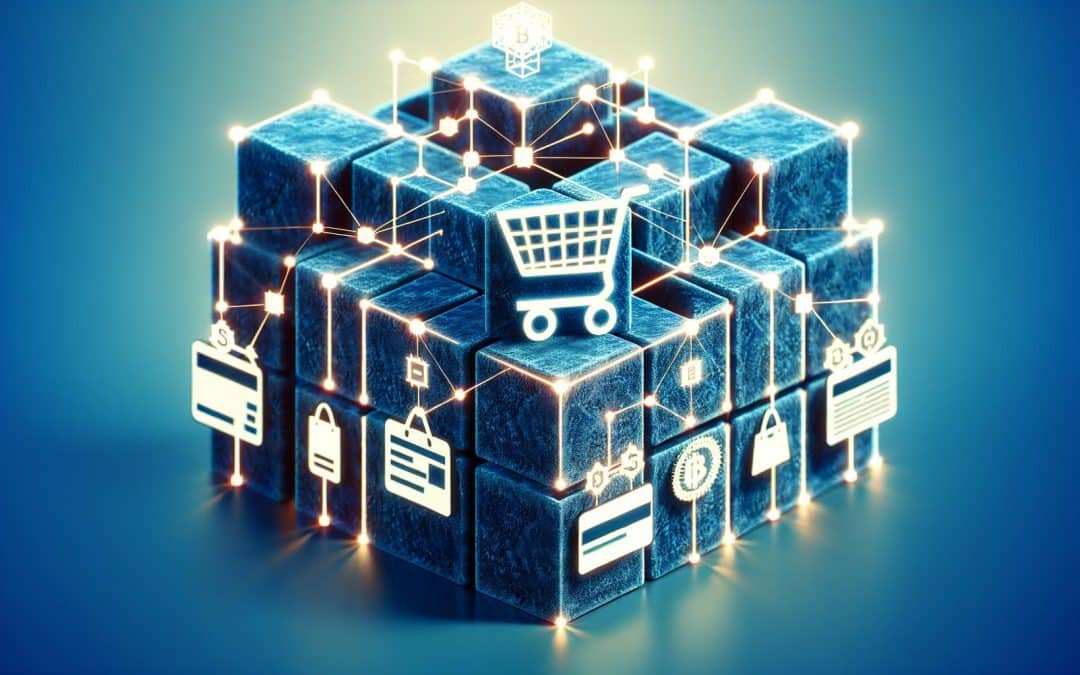
Blockchain retail payment systems use blockchain technology to process payments and record transactions. For retailers, the potential value lies in secure transaction records, greater transparency, direct transfers and automated agreements. For customers, the goal is a payment experience that protects payment information while remaining efficient and easy to use.
How blockchain retail payments work
A blockchain records transaction information in linked blocks protected by cryptographic methods. The resulting ledger is designed to resist alteration, giving retailers and customers a shared transaction record.
Blockchain can also support direct transfers between participants. Reducing reliance on payment intermediaries may simplify parts of the payment process and reduce associated fees, although the outcome depends on how a retailer implements the system.
Potential benefits for retailers and customers
Data security
Blockchain-based payment systems can protect transaction information through encryption and tamper-resistant records. This can help retailers safeguard sensitive payment data and give customers greater confidence in online transactions.
Transparency
A shared ledger can make transaction records more transparent to authorised participants. In retail operations, that visibility can also support product traceability and clearer records across the supply chain.
Payment efficiency
Direct transfers and automated processes can streamline payment handling. Blockchain systems may also support faster settlement than conventional processes where transactions pass through several intermediaries.
More payment choices
Retailers can integrate cryptocurrency payments alongside other payment methods. This gives customers another way to pay, while the underlying blockchain provides the transaction record.
The role of smart contracts
Smart contracts are digital agreements that execute when predefined conditions are met. In retail, they can automate parts of a transaction, including agreements between retailers, customers or vendors.
Automation can reduce manual processing and payment delays. It can also make the conditions governing a transaction more transparent because the agreement follows predefined rules.
Blockchain beyond the checkout
The same technology can support other retail operations. Blockchain records can improve visibility across a supply chain, helping participants trace a product’s journey and verify transaction history. Decentralised marketplaces can also allow buyers and sellers to interact more directly, reducing dependence on a central platform.
These uses connect payment processing with broader retail concerns such as product traceability, marketplace transparency and operational efficiency. The practical benefit depends on the design of the system and the processes it replaces.
What retailers should consider
Before adopting a blockchain payment system, consider how it will fit into the existing checkout and payment process. A useful implementation needs to protect customer information, provide a clear payment experience and support the payment methods customers want to use.
Retailers should also consider where automation would be valuable. Smart contracts may help when an agreement has clear conditions that can be executed automatically. Blockchain-based supply-chain records may be useful when transaction visibility and product traceability are priorities.
Cryptocurrency acceptance is another distinct decision. Adding it can expand payment choice, but it should form part of a coherent payment process rather than being treated as the only benefit of blockchain.
The direction of blockchain retail payments
Blockchain payment development is moving toward closer integration with ecommerce, cryptocurrency payments, smart contracts, supply-chain systems and decentralised marketplaces. Together, these applications aim to make retail transactions more secure, transparent and efficient.
For retailers, the central question is not whether blockchain is innovative, but whether a particular implementation solves a defined payment or operational need. For customers, the most meaningful benefits are a secure process, understandable payment choices and reliable transaction records.
Frequently asked questions
What is a blockchain retail payment system?
It is a payment system that uses blockchain technology to process payments or record retail transactions on a shared ledger.
How can blockchain support payment security?
Blockchain can protect transaction records with cryptographic methods and make those records resistant to alteration.
Can blockchain reduce payment costs?
Direct transfers can reduce reliance on intermediaries and their associated fees. Actual savings depend on the system and how it is implemented.
What are smart contracts in retail?
Smart contracts are digital agreements that automatically execute when predefined conditions are satisfied. They can automate parts of retail payments and vendor agreements.
Is blockchain useful outside payment processing?
Yes. Retailers can also use blockchain records to support supply-chain transparency, product traceability and decentralised marketplaces.